
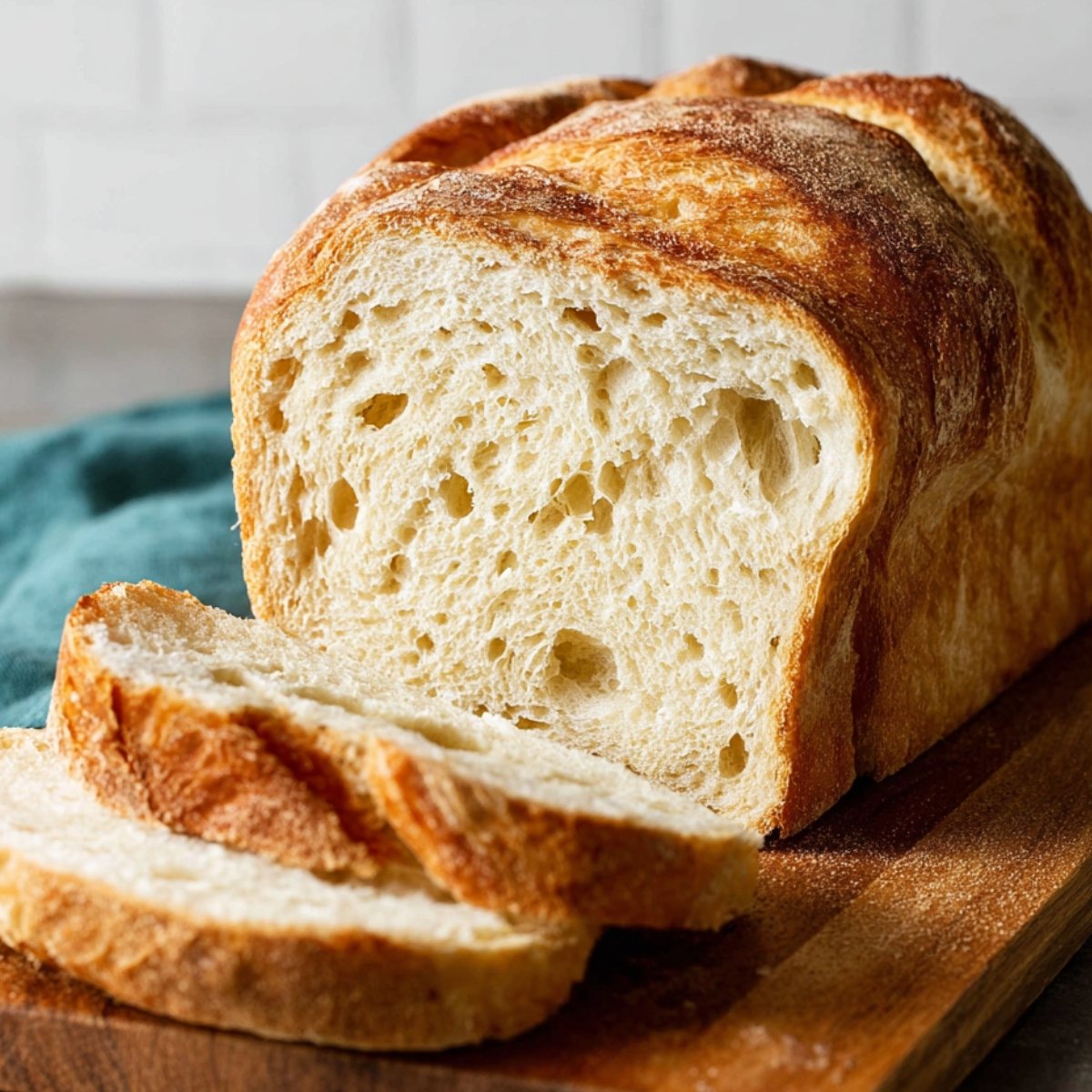
This sourdough bread has a golden, crackling crust and a soft, tender crumb that tears apart in thick, fluffy slices. The smell when it bakes fills your whole house with that warm, yeasty aroma that makes everyone wander into the kitchen asking when it'll be ready. I started making this loaf when my neighbor Mia handed me a jar of her bubbly sourdough starter and promised me it wasn't as scary as I thought. She was right. With just five simple ingredients and a little patience, you can bake bakery-quality bread at home that's perfect for sandwiches, toast, or just slathering with butter while it's still warm.
If you're looking for more breakfast recipes to pair with your fresh bread, try my Healthy Banana Pancakes Recipe for a cozy weekend morning, or bake up an Easy Homemade Banana Bread Recipe for an extra-sweet treat. And if you want something fresh and fruity, The Best Smoothie Bowl Recipe is always a hit at our table.
Why You will Love This Sourdough Bread !
This recipe takes all the intimidation out of Sourdough Bread. You don't need fancy equipment or years of experience. The dough is forgiving, the steps are straightforward, and the overnight rise in the fridge actually makes your schedule easier, not harder. You get a crusty, artisan bread that looks like it came from a French bakery, but you made it yourself in a regular loaf pan.
It's also healthier than store-bought bread. Natural leavening from the sourdough starter means easier digestion and a deeper, tangy flavor. Plus, there's something really satisfying about slicing into a loaf you baked from scratch.
Jump to:
Sourdough Bread Ingredients
Here's everything that goes into this easy Sourdough Bread.
See Recipe Card Below This Post For Ingredient Quantities
Active sourdough starter: This is your leavening agent. It should be bubbly, fed, and active before you start. If it floats in water, it's ready to use.
Warm water: Helps activate the starter and keeps the dough soft. Aim for about 90°F, which feels just slightly warm to the touch.
Olive oil: Adds moisture and a hint of richness. It keeps the crumb tender and helps the crust brown beautifully.
Bread flour: High in protein, which gives the dough structure and that chewy texture you want in homemade Sourdough Bread. All-purpose flour can work in a pinch, but bread flour is better.
Table salt: Balances the flavor and strengthens the gluten network. Don't skip it.
Oil for greasing: Keeps the dough from sticking to the pan.
Additional flour for dusting: Helps when you're shaping the dough on your work surface.
how to make Sourdough Bread
This beginner sourdough bread comes together in simple steps.
- Mix the dough: Combine your sourdough starter, warm water, and olive oil in a large bowl. Stir everything together until it's well mixed.
- Add dry ingredients: Sprinkle the bread flour and salt over the wet mixture. Use your hands or a wooden spoon to stir until the dough is shaggy and there are no dry patches of flour left.
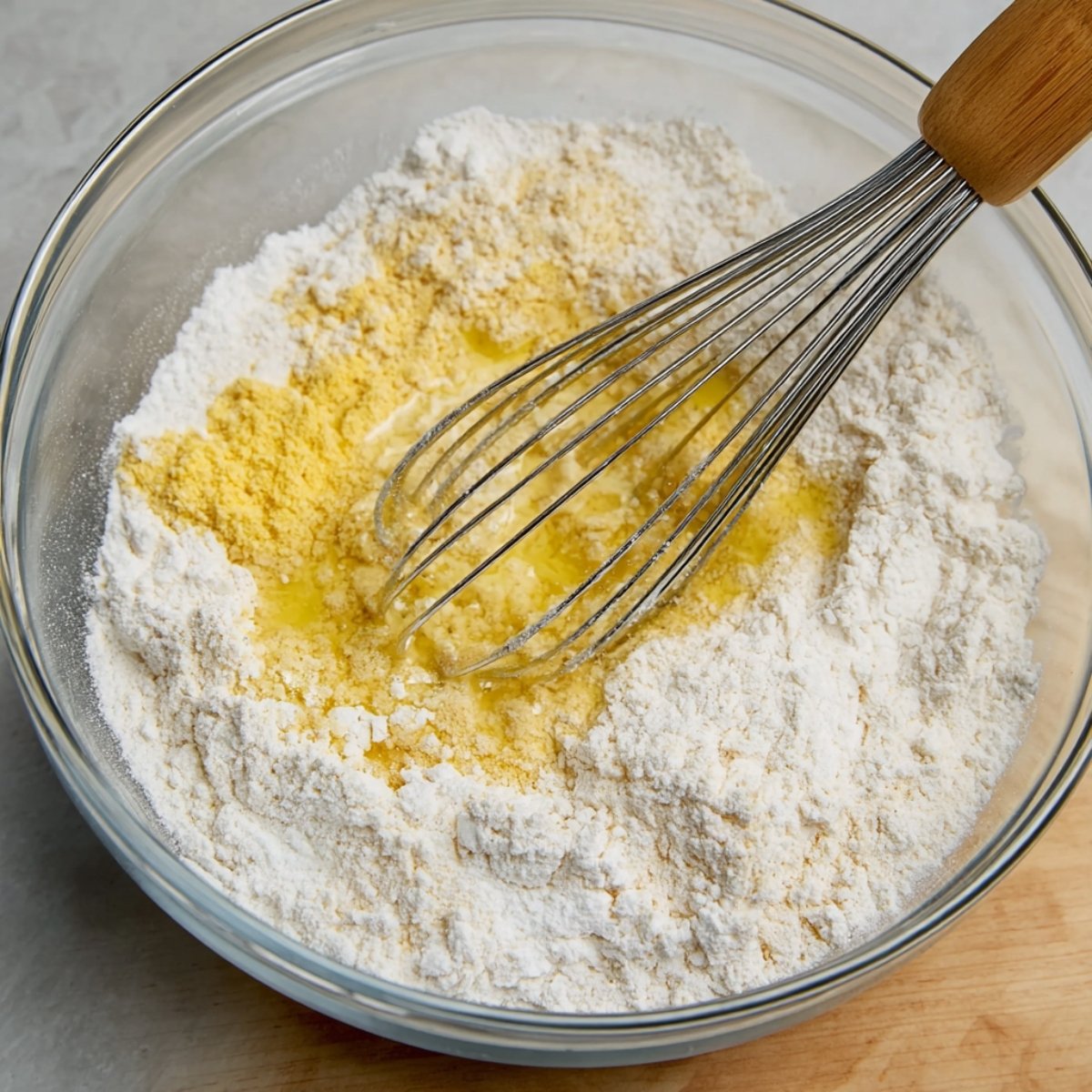
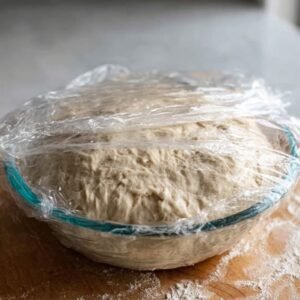
- Autolyse: Cover the bowl with plastic wrap and let it rest undisturbed for one hour. This step hydrates the flour and helps develop gluten without kneading.
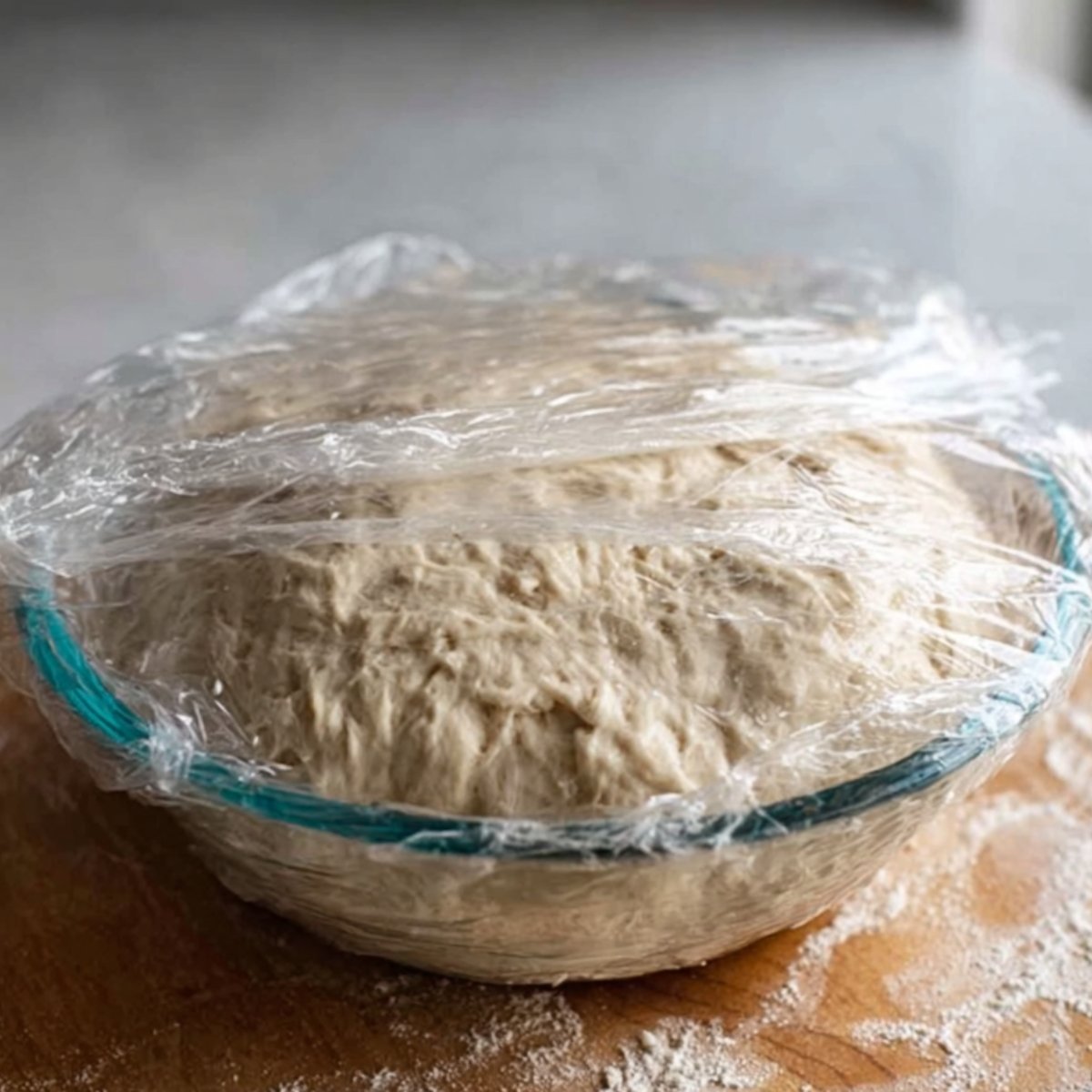
- Stretch and fold: Wet your hands, form the dough into a ball, and stretch the top over the bottom. Rotate the dough 90 degrees and repeat until you've done four folds. Let it rest for 30 minutes.
- Repeat stretch and fold: Continue this process every 30 minutes for about 4 to 6 hours. The dough should rise by about 80 percent. Kitchen temperature affects this, so be patient.
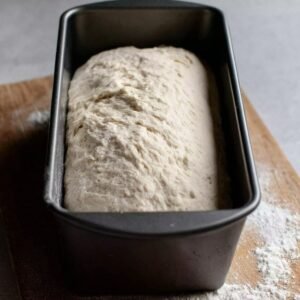
- Form the dough: Grease a 9x5 loaf pan. Transfer the dough to a floured surface, gently deflate it, and pat it into a rectangle. Fold the sides toward the center, then roll it tightly from one end. Tuck the ends under and place it in the pan. Cover with plastic wrap and refrigerate for 12 to 24 hours.
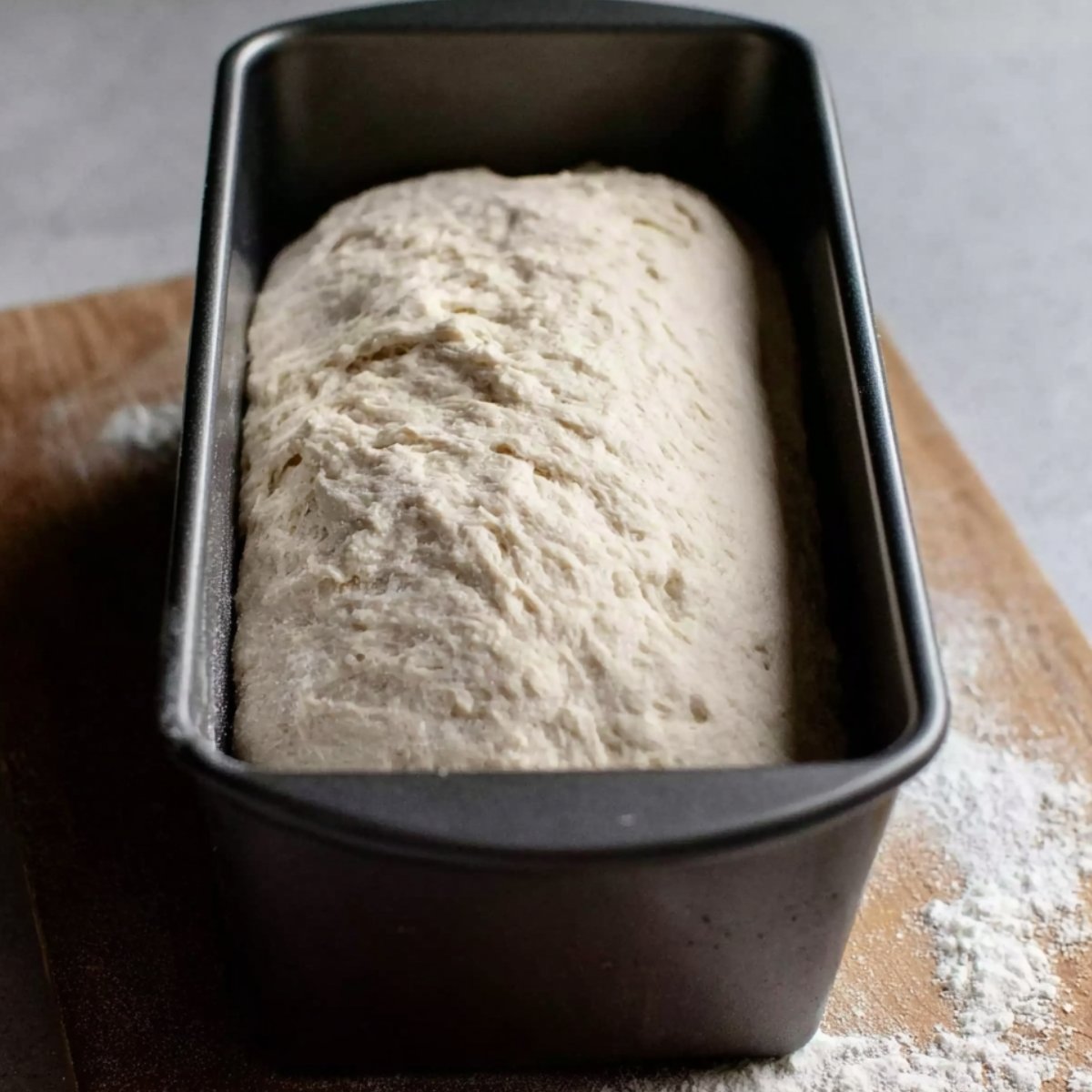
- Preheat oven: The next day, remove the dough from the fridge. Preheat your oven to 450°F. Let the dough rest uncovered for at least 30 minutes before baking.
- Score and bake: Uncover the dough and score a clean ¼-inch slice down the center with a sharp knife or bread lame. Cover the pan with a second loaf pan or an aluminum foil tent.
- Bake: Place the covered dough in the oven and bake for 30 minutes. Remove the cover and bake for another 20 to 23 minutes until the crust is golden brown and the internal temperature reaches 206 to 208°F.
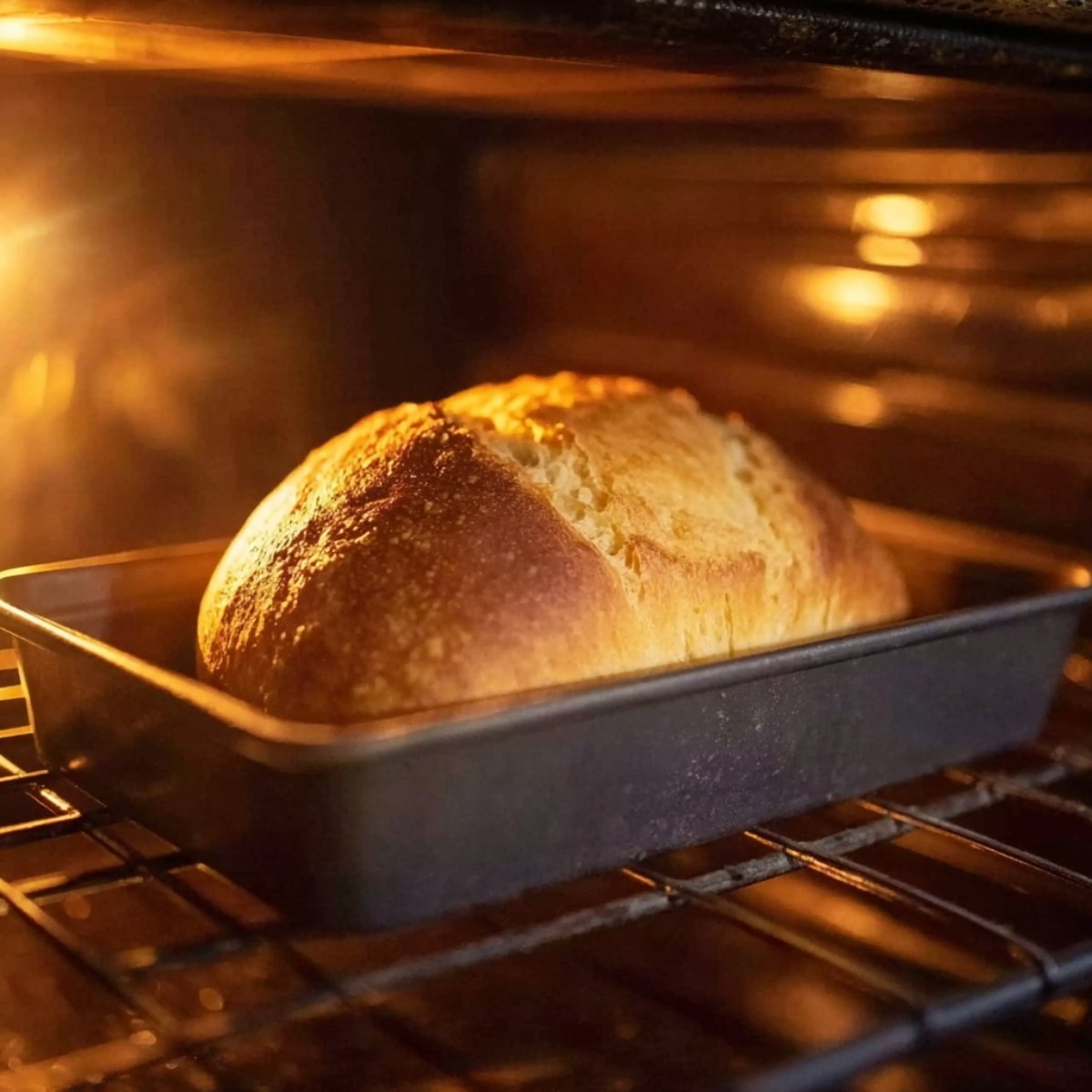
- Cool: Let the bread cool in the pan for 15 minutes, then turn it out onto a cooling rack. Allow it to cool for 1 to 2 hours before slicing. This helps the crumb set properly.
Substitutions and Variations
Use all-purpose flour: If you don't have bread flour, all-purpose flour will work. The texture will be slightly less chewy, but still delicious.
Skip the olive oil: You can leave it out for a leaner loaf, though the bread will be a bit denser.
Add mix-ins: Fold in seeds, herbs, cheese, or dried fruit after the stretch-and-fold steps for a custom loaf.
Whole wheat version: Replace up to half the bread flour with whole wheat flour for a heartier, nutty flavor. You may need a little extra water.friends or family that they're cooking for that could use this. This is also a great idea to link out to another blogger with a similar recipe that fits a different diet.
Equipment for Sourdough Bread
Mixing bowls: For combining your ingredients and holding the dough during fermentation.
2 loaf pans (9x5 inches): One for baking, one for covering the dough during the first part of baking. This traps steam and helps the crust develop.
Bench scraper (optional): Makes it easier to handle and shape the dough, but you can use your hands.
Bread lame (optional): A special tool for scoring the dough cleanly. A sharp knife works just as well.
How to Store Sourdough Bread
At room temperature: Store your crusty sourdough bread in an airtight container or bread box for up to a week. Don't refrigerate it, as this makes the bread go stale faster.
In the freezer: Wrap the whole loaf or pre-sliced portions tightly in plastic wrap, then cover with foil. Freeze for up to three months. Thaw at room temperature or toast slices straight from the freezer.
To bake same day: Skip the refrigeration step. After forming the dough in the pan, let it rest uncovered while the oven preheats. Follow the baking instructions as written.
Serving Suggestions
With butter and jam: Slice the bread thick, toast it lightly, and spread on salted butter and your favorite jam. It's simple and perfect.
For sandwiches: This sourdough sandwich bread holds up beautifully to fillings. Try turkey, cheese, avocado, or whatever you love.
With soup: Serve warm slices alongside a bowl of tomato soup, chili, or creamy potato soup for dipping.
French toast: Day-old sourdough makes incredible French toast. The thick slices soak up the egg mixture and get crispy on the edges.
Expert Tips
Use an active starter: Your starter should be bubbly and doubled in size before you use it. If it's sluggish, feed it and wait until it's lively.
Don't rush the rise: The dough needs time to ferment and develop flavor. If your kitchen is cold, the process will take longer. That's okay.
Score the dough: Scoring helps control where the bread expands in the oven. Use a sharp blade and make one confident slice down the center.
Check the internal temperature: A fully baked loaf should reach 206 to 208°F inside. This ensures the crumb is fully cooked and not gummy.
Let it cool completely: I know it's hard to wait, but slicing too early can make the inside gummy. Let it cool for at least an hour.
FAQ
Sourdough bread can be easier to digest because the fermentation process breaks down some of the gluten and starches. It also has a lower glycemic index than regular bread, which means it won't spike your blood sugar as much. Plus, it's made with simple, wholesome ingredients and no commercial yeast or preservatives.
A basic sourdough recipe can be made with just three ingredients: sourdough starter, flour, and water. Salt is usually added for flavor, making it four ingredients. This recipe includes olive oil for extra moisture and tenderness, but you can skip it if you prefer a more traditional loaf.
Sourdough is bread made with a natural starter instead of packaged yeast. It's good because the fermentation gives it a unique tangy flavor, chewy texture, and better nutritional benefits. The wild yeast and bacteria make the bread easier to digest and help preserve it naturally, so it stays fresh longer.
This sourdough loaf is made of active sourdough starter, warm water, olive oil, bread flour, and salt. The starter is a living culture of flour and water that's been fermented over time. It's what makes the bread rise and gives it that signature sour taste.
Related
Looking for other recipes like this? Try these:




Pairing
These are my favorite dishes to serve with Sourdough Bread




Sourdough Bread
Ingredients
Method
- In a large mixing bowl, combine the sourdough starter, warm water, and olive oil. Stir until the mixture is fully combined.
- Add the bread flour and sprinkle the salt over the top. Use clean hands or a wooden spoon to mix until the dough comes together but is still shaggy. Do not over-mix, and ensure there are no dry patches of flour.

- Cover the bowl with plastic wrap and let the dough rest for 1 hour to allow the flour to fully hydrate.
- After the autolyse, form the dough into a ball. Wet your hands to prevent sticking, then stretch the top of the dough over to the bottom. Rotate the dough 90 degrees and repeat. Do this four times in total, then cover and let the dough rest in a warm place for 30 minutes.
- Repeat the stretching and folding every 30 minutes for about 4-6 hours, or until the dough has increased in size by about 80%.
- Once the dough has risen sufficiently, lightly grease a 9x5 loaf pan. Turn the dough out onto a floured surface and gently deflate it. Shape it into a rectangle, then fold the right and left sides toward the center like closing a book. Roll the dough tightly from the skinny side, tuck in the ends, and transfer it into the loaf pan.
- Cover the pan tightly with plastic wrap and refrigerate for 12-24 hours for a better texture and flavor. If you're in a hurry, proceed to baking after the initial rise, but the flavor will be less developed.
- Preheat your oven to 450°F. Remove the dough from the refrigerator and rest for 30 minutes. Uncover the dough and score a ¼" deep slash down the center using a sharp knife or bread lame.
- Cover the loaf with a second loaf pan or a tent of aluminum foil. Place it on the center rack of the preheated oven and bake for 30 minutes.
- After 30 minutes, remove the cover and continue baking for another 20-25 minutes, or until the bread is golden brown and the internal temperature reaches 206-208°F.





Leave a Reply