
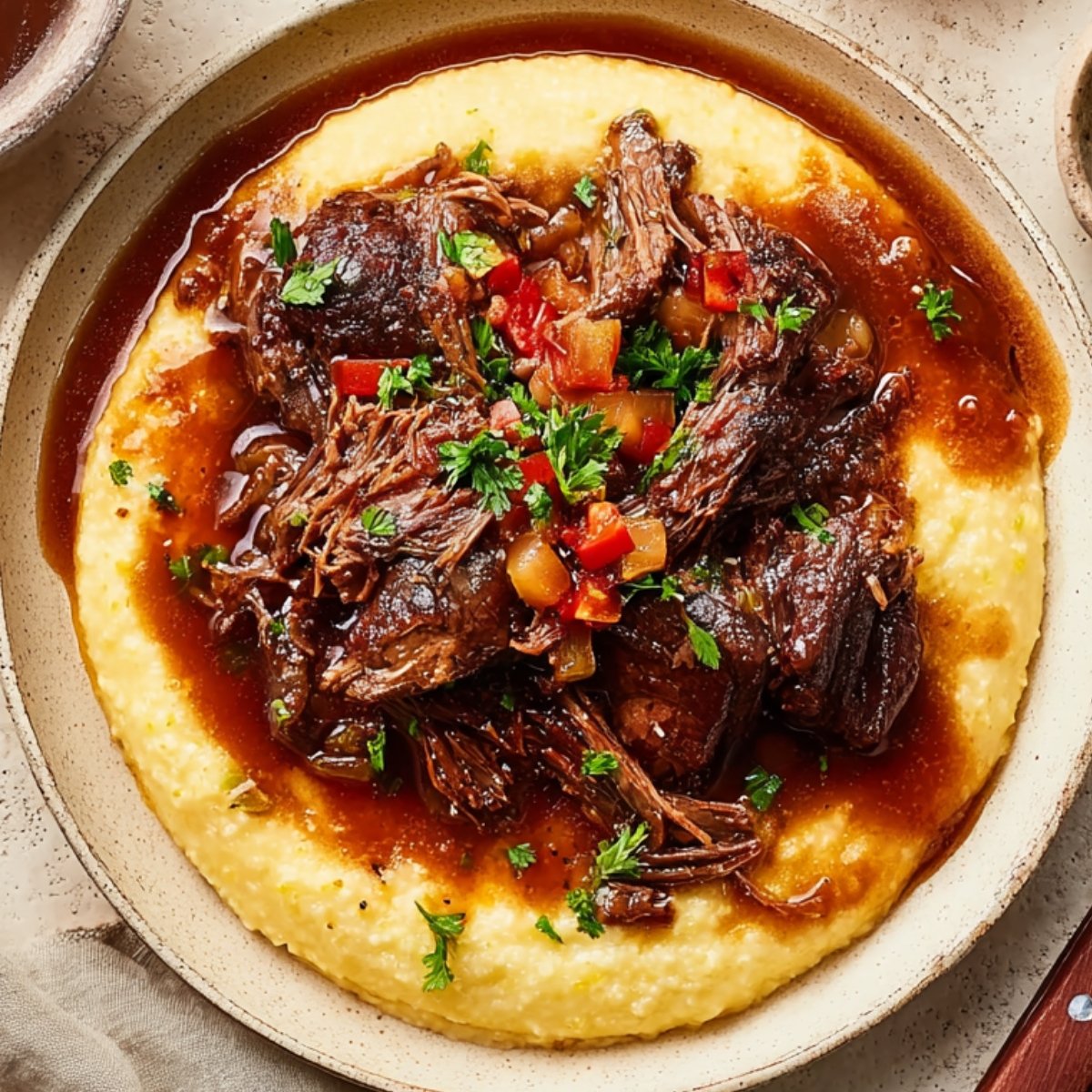
This Italian Pot Roast is fall-apart tender, slow-braised in red wine with pancetta, garlic, and aromatic vegetables until the meat practically melts off the fork. I started making this on cold Sunday afternoons when I wanted something that filled the house with the smell of simmering wine and herbs, and it's become one of those recipes I turn to when I want to feel like I'm cooking something truly special.
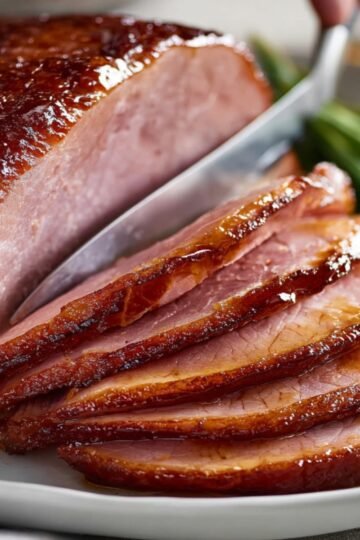
If you love hearty, comforting dinners, you might also enjoy my Dublin Coddle or this tender Baked Ham for weekend gatherings.
Why You will Love This Italian Pot Roast
This slow-cooked Italian beef is pure comfort. The chuck roast becomes so tender that you can shred it with a fork, and the sauce is rich, savory, and just a little bit tangy from the wine. The pancetta adds a depth of flavor that you don't get with regular pot roast, and the vegetables soften into the sauce, adding sweetness and body.
The red wine is key here. It deglazes all the flavorful browned bits from the bottom of the pot and creates a braising liquid that's complex and delicious. As the roast cooks, the wine reduces and concentrates, turning into this glossy, restaurant-quality sauce.
Jump to:
Italian Pot Roast Ingredients
Here's everything you'll need to make this red wine pot roast from scratch.
See Recipe Card Below This Post For Ingredient Quantities
- Chuck roast: A 3-pound chuck roast is perfect for this recipe. It's a tough cut with lots of connective tissue and fat, which breaks down during the long braise and makes the meat incredibly tender and flavorful. Trim off any large pieces of external fat, then cut the roast into roughly 3-inch chunks.
- Kosher salt: Generously seasons the meat and helps draw out moisture, which creates a better sear. Don't be shy with the salt here.
- Freshly cracked black pepper: Adds a little heat and sharpness that balances the richness of the meat and sauce.
- Extra-virgin olive oil: Used for searing the meat. It has a higher smoke point than butter and adds a subtle fruity flavor.
- Pancetta: Italian cured pork belly that's similar to bacon but not smoked. It adds a rich, salty, savory flavor that's essential to this dish. If you can't find pancetta, use good-quality thick-cut bacon.
- Yellow onion: Finely chopped onion adds sweetness and depth to the sauce as it cooks down.
- Carrots: Peeled and diced carrots bring natural sweetness and color to the dish. They also help thicken the sauce slightly as they break down.
- Celery ribs: Finely chopped celery adds an earthy, slightly bitter note that balances the sweetness of the carrots and onion.
- Garlic cloves: Minced garlic infuses the sauce with that signature Italian aroma and flavor. Six cloves might seem like a lot, but it mellows as it cooks.
- Tomato paste: Adds concentrated tomato flavor and a touch of umami. It also helps thicken the sauce and gives it a beautiful deep color.
- Light red wine: A light red wine like Pinot Noir works best here. It adds acidity, tannins, and a fruity depth without being too heavy. Use something you'd actually drink, not cooking wine.
- Bay leaves: Add a subtle herbal, slightly floral note to the braising liquid. Remove them before serving.
- Fresh thyme: A couple of sprigs of fresh thyme add earthy, aromatic flavor. Remove the stems before serving.
- Fresh flat-leaf parsley: Finely chopped parsley is sprinkled on top before serving. It adds a pop of color and a fresh, bright finish.
how to make Italian Pot Roast
This oven-baked beef roast comes together with just a few key steps, then the oven does the rest.
- Preheat oven: Preheat your oven to 350°F and position a rack in the center. This ensures even heat distribution while the roast braises.
- Season meat: Pat the chuck roast pieces dry with paper towels, then season them generously on all sides with kosher salt and freshly cracked black pepper. Don't hold back here, the seasoning is what builds flavor.
- Brown meat: Heat the olive oil in a large Dutch oven over medium-high heat until it's shimmering and almost smoking. Add the meat in batches, making sure not to crowd the pot. Sear each piece for 2 to 3 minutes per side until deeply browned and caramelized. This step is crucial for building flavor. Transfer the browned meat to a plate and set aside.
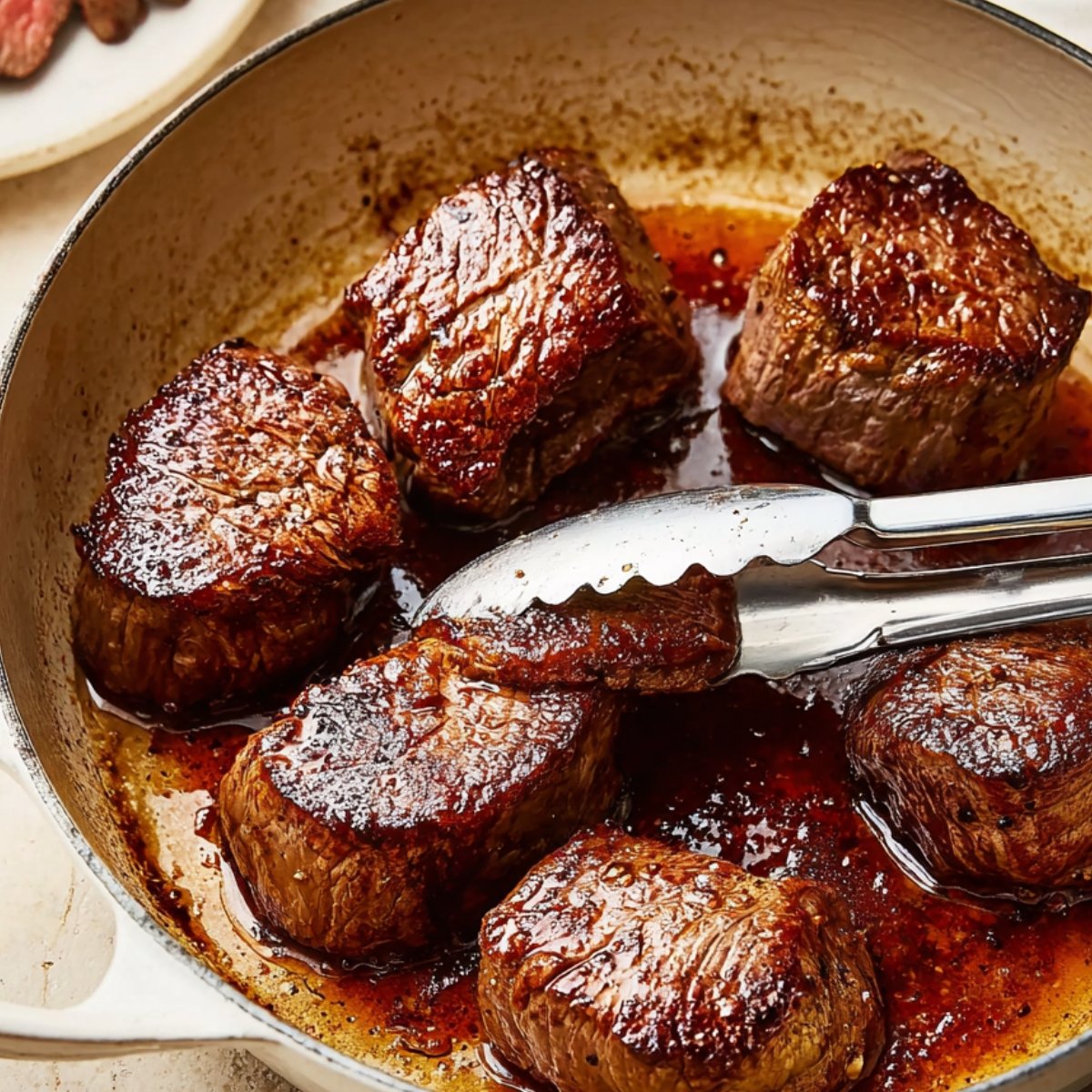
- Cook pancetta: Reduce the heat to medium and add the diced pancetta to the same pot. Cook for 3 to 4 minutes, stirring occasionally, until the pancetta is crisp and the fat has rendered. The pancetta fat will replace the olive oil and add incredible flavor to the vegetables.
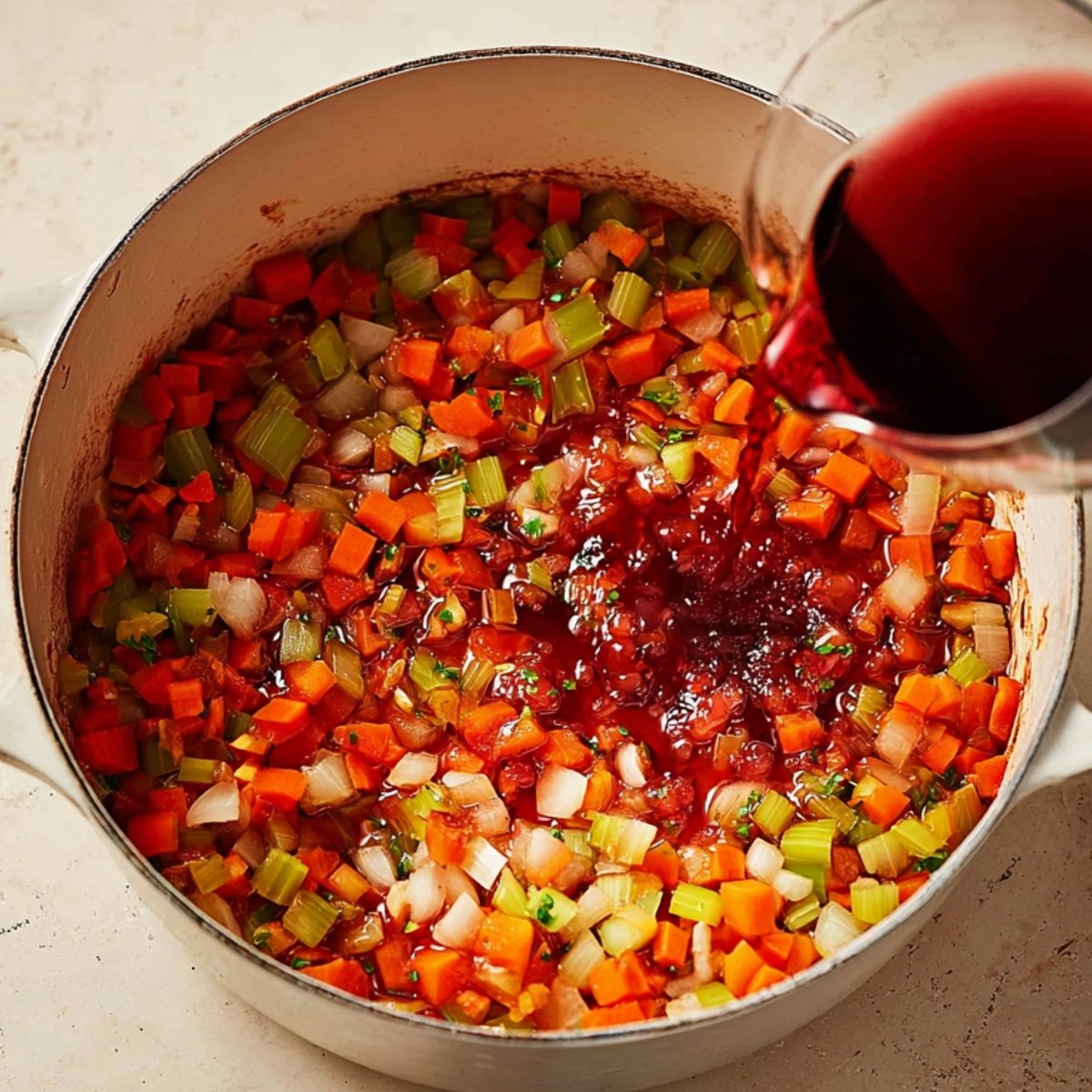
- Sauté vegetables: Add the chopped onion, diced carrots, and finely chopped celery to the pot. Cook for about 5 minutes, stirring often, until the vegetables soften and start to caramelize around the edges. If they start to stick to the bottom of the pot, add a small splash of water and scrape up any browned bits.
- Add garlic and tomato paste: Stir in the minced garlic and cook for about 1 minute until fragrant and golden. Add the tomato paste and stir it into the vegetables, coating everything evenly. Let it cook for another minute to deepen the flavor and remove any raw taste.
- Deglaze and combine: Pour in the red wine, stirring well to incorporate it into the vegetables and scrape up all the flavorful browned bits stuck to the bottom of the pot. Return the seared meat and any accumulated juices to the pot. Nestle the meat into the vegetables, but don't submerge it completely. Tuck in the bay leaves and fresh thyme sprigs.
- Cook in oven: Bring the mixture to a boil over high heat, then cover the pot tightly with a lid. Transfer the Dutch oven to the preheated oven and bake for 2 hours, or until the meat is fork-tender and shreds easily. Check it once halfway through to make sure the liquid hasn't evaporated too much.
- Finish sauce: Carefully remove the pot from the oven. Fish out the bay leaves and thyme stems and discard them. Transfer the meat to a serving platter and tent it loosely with aluminum foil to keep it warm. Place the pot back on the stovetop over medium-high heat. Bring the pan juices to a simmer and let them reduce by about one-third, which takes 8 to 10 minutes. The sauce should thicken slightly and become glossy and rich.
- Serve: Pour the reduced sauce over the meat, garnish generously with freshly chopped parsley, and serve family-style with mashed potatoes or cooked egg noodles on the side.
Substitutions and Variations
This traditional Italian pot roast recipe is easy to customize based on what you have or what you prefer.
Use a slow cooker: For Italian pot roast slow cooker style, follow the browning and sautéing steps on the stovetop, then transfer everything to a slow cooker. Cook on low for 7 to 8 hours or on high for 4 to 5 hours until the meat is tender.
Make it in an Instant Pot: For Italian pot roast Instant Pot, brown the meat and vegetables using the sauté function, then add the liquids and cook on high pressure for 60 minutes with a natural release. Reduce the sauce using the sauté function at the end.
Add potatoes and carrots: For Italian pot roast with potatoes and carrots, add chunks of Yukon Gold potatoes and extra carrots during the last hour of cooking. They'll soak up the sauce and become incredibly tender.
Use different wine: Swap the red wine for beef broth if you prefer not to cook with alcohol. The flavor will be a bit different but still delicious.
Make it with beef short ribs: Use bone-in beef short ribs instead of chuck roast for an even richer, more decadent dish.
Turn it into sandwiches: Shred the leftover meat and pile it onto crusty rolls for Italian pot roast sandwiches. Top with provolone and serve with the sauce for dipping.
Add fresh rosemary: Toss in a sprig of fresh rosemary along with the thyme for extra herbal flavor.
Equipment
You don't need much to make this hearty winter dinner, but a good Dutch oven is essential.
Dutch oven: A heavy-bottomed Dutch oven with a tight-fitting lid is crucial for this recipe. It goes from stovetop to oven and distributes heat evenly for perfect braising.
Tongs: For turning the meat while searing and transferring it to a plate.
Cutting board and knife: For chopping vegetables and cutting the roast into pieces.
Measuring spoons and cups: To measure out the seasonings, wine, and other ingredients accurately.
Oven: Preheated to 350°F for the long, slow braise.
Storage and Reheating Tips
This Italian pot roast stores beautifully and tastes even better the next day.
Refrigerator: Store the meat and sauce together in an airtight container in the fridge for up to 4 days. The flavors deepen and meld as it sits.
Reheating: Reheat gently on the stovetop over low heat, adding a splash of water or beef broth if the sauce has thickened too much. You can also reheat individual portions in the microwave for 2 to 3 minutes, stirring halfway through.
Freezing: This freezes beautifully for up to 3 months. Let it cool completely, then transfer to a freezer-safe container. Thaw overnight in the fridge before reheating.
Make-ahead: You can make this a day or two ahead and reheat it before serving. The meat will be even more tender and the flavors will be more developed.
Serving Suggestions
This stracotto (Italian pot roast) is a meal on its own, but here are a few sides that pair beautifully.
Mashed potatoes: Creamy mashed potatoes soak up the rich sauce perfectly. They're the classic pairing for pot roast.
Egg noodles: Buttered egg noodles are traditional and delicious. The sauce clings to the noodles and makes every bite flavorful.
Polenta: Creamy polenta is a classic Italian side that's perfect for serving under the pot roast and soaking up the sauce.
Crusty bread: Serve with a loaf of warm, crusty Italian bread for mopping up every last drop of sauce. Try pairing it with my Grilled Bruschetta Chicken for an Italian feast.
Roasted vegetables: Roasted Brussels sprouts, green beans, or asparagus add color and freshness to the plate.
Expert Tips
These little tricks will help you nail this recipe every time.
Don't skip the searing: Browning the meat creates a flavorful crust and adds depth to the sauce. This step is non-negotiable.
Use a good wine: Since the wine is a key ingredient, use something you'd actually enjoy drinking. It doesn't have to be expensive, but it should taste good.
Cut the meat into even pieces: This ensures everything cooks at the same rate and makes serving easier.
Let the sauce reduce: Reducing the sauce at the end concentrates the flavors and gives it a beautiful glossy finish. Don't rush this step.
Check the liquid halfway through: If the liquid has reduced too much during baking, add a splash of water or broth to prevent burning.
Let the meat rest: After removing the meat from the pot, let it rest for a few minutes before serving. This helps the juices redistribute.
Serve family-style: This dish looks gorgeous served on a large platter with the sauce poured over the top and fresh parsley scattered on top.
FAQ
The Italian word for pot roast is stracotto, which literally translates to "overcooked." This refers to the long, slow braising method that breaks down the tough cuts of meat until they're incredibly tender and flavorful. Stracotto is a traditional Northern Italian dish, often made with beef, red wine, and aromatic vegetables. The meat is cooked low and slow until it practically falls apart, creating a rich, comforting meal that's perfect for family gatherings.
Pot roast is typically made with tough, inexpensive cuts of beef that have a lot of connective tissue and fat, which break down during long, slow cooking. The most common cuts are chuck roast, brisket, and bottom round. Chuck roast is the best choice for this recipe because it has the right balance of fat and muscle, and it becomes incredibly tender and flavorful when braised. The connective tissue melts into the sauce, making the meat juicy and rich.
Italian pot roast pairs beautifully with creamy mashed potatoes, buttered egg noodles, or soft polenta to soak up the rich sauce. You can also serve it with crusty Italian bread, roasted vegetables, or a simple green salad with a light vinaigrette. For a full Italian meal, start with my Blackened Shrimp Pasta or finish with a slice of Razzleberry Pie for dessert. The key is to have something starchy on the plate to soak up all that delicious sauce.
In Italy, roast beef is called arrosto di manzo or simply arrosto. However, when referring to the slow-braised pot roast style, Italians use the term stracotto, which describes the long cooking method that makes the meat fall-apart tender. Different regions of Italy have their own variations of braised beef dishes, often made with local wines and herbs. The technique is similar across the board: low and slow cooking that transforms tough cuts into something incredibly tender and flavorful.
Related
Looking for other recipes like this? Try these:

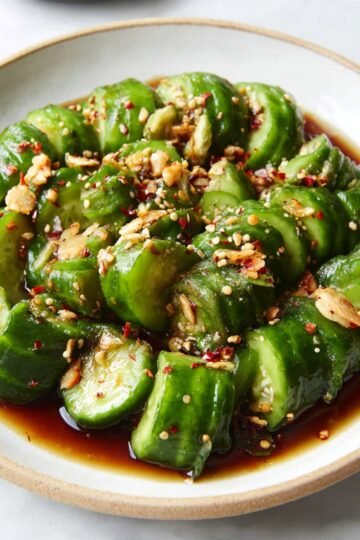


Pairing
These are my favorite dishes to serve with Italian Pot Roast



Italian Pot Roast
Ingredients
Method
- Preheat your oven to 350°F and place a rack in the center.
- Season the beef generously with salt and pepper on all sides.
- Heat the olive oil in a Dutch oven over medium-high heat until it begins to shimmer.
- In batches, sear the meat until browned on all sides, about 2-3 minutes per side, then transfer to a plate.
- Reduce heat to medium. Add diced pancetta and cook, stirring occasionally, until crisp and the fat has rendered, 3-4 minutes.
- Add chopped onion, carrots, and celery. Cook, stirring frequently, until softened, about 5 minutes, adding a splash of water if vegetables stick.
- Stir in minced garlic and cook for 1 minute until fragrant. prep
- Mix in tomato paste until evenly combined.
- Pour in the red wine and stir to incorporate, scraping any browned bits from the bottom of the pan.
- Return the seared beef along with any collected juices to the pan, nestling it without fully submerging.
- Add bay leaves and thyme sprigs. Increase heat to high and bring to a boil.
- Cover the Dutch oven and transfer to the oven. Bake for 2-3 hours, until the meat is tender and easily shredded with a fork.
- Remove the bay leaves and thyme stems. Transfer the meat to a platter and tent with foil to keep warm.
- Return the pan to medium-high heat and boil the liquid until reduced by about one-third, 8-10 minutes.
- Pour the reduced sauce over the meat, sprinkle with parsley, and serve with mashed potatoes or egg noodles.




Leave a Reply