
This Greek Lemon Chicken Soup, also called avgolemono, is bright, creamy, and incredibly comforting, with tender shredded chicken, fluffy rice, and a silky egg-lemon broth that's both tangy and soothing. I started making this when I wanted a soup that felt nourishing but not heavy, and the combination of fresh lemon juice and eggs creates this luxurious, velvety texture that's completely different from any other soup I've ever made. The broth is fragrant with dill and has this beautiful citrus brightness that makes it feel light and refreshing even though it's warm and filling.

If you love cozy, flavorful meals, you'll also want to try my Lemon Basil Sorbet, Chicken Schnitzel, and for something sweet, my Peach Cobbler Cinnamon Rolls.
Why You'll Love This Greek Lemon Chicken Soup
Bright and comforting. The fresh lemon juice adds a tangy brightness that makes this soup feel lighter and more refreshing than traditional chicken soup.
Silky, creamy broth. The egg-lemon mixture creates a velvety texture without any cream or heavy ingredients.
Ready in 45 minutes. From start to finish, this soup comes together quickly. Perfect for busy weeknights.
One-pot meal. Everything cooks in one pot, which means minimal cleanup.
Healthy and nourishing. Packed with protein, vegetables, and bright flavors, this soup is satisfying without being heavy.
Jump to:
Greek Lemon Chicken Soup ingrediants
Here's everything you need to make this bright, comforting Greek Lemon Chicken Soup.
See Recipe Card Below This Post For Ingredient Quantities
- Olive oil: For sautéing the vegetables. It adds a subtle richness and helps the aromatics release their flavors.
- Sweet onion: Finely diced onion adds a mild sweetness and aromatic base to the soup.
- Garlic: Minced garlic adds savory depth and aroma. Fresh garlic is essential for the best flavor.
- Carrots: Peeled and finely diced carrots add sweetness, color, and nutrition.
- Celery stalks: Finely diced celery adds flavor and a subtle vegetal note to the broth.
- Chicken broth: The base of the soup. Use good-quality chicken broth for the best flavor. Homemade or low-sodium store-bought both work.
- Boneless skinless chicken breasts or thighs: Chicken thighs give a richer, more flavorful broth, while chicken breasts create a lighter version. Both work beautifully.
- Kosher salt: Seasons the soup. Adjust to taste depending on how salty your broth is.
- White rice: Uncooked white rice cooks right in the soup and adds texture. You can substitute orzo for a creamier, more traditional Greek version.
- Large eggs: The eggs are whisked with lemon juice and tempered with hot broth to create the signature silky texture.
- Fresh lemon juice: Fresh lemon juice is essential. Bottled juice tastes flat and won't give you the bright, vibrant flavor you need.
- Fresh dill: Chopped fresh dill adds an herby, slightly tangy flavor that's traditional in Greek cooking. It brightens the whole soup.
How to Make Greek Lemon Chicken Soup
- Sauté vegetables: Heat the olive oil in a large pot or Dutch oven over medium heat. Add the finely diced onion, carrots, and celery and cook for 5 to 7 minutes, stirring occasionally, until the vegetables are softened and fragrant.
- Simmer chicken and rice: Pour in the chicken broth, then add the chicken breasts or thighs, uncooked rice or orzo, and kosher salt. Bring the mixture to a gentle simmer and cook for 18 to 20 minutes, until the chicken is cooked through and the rice is tender.
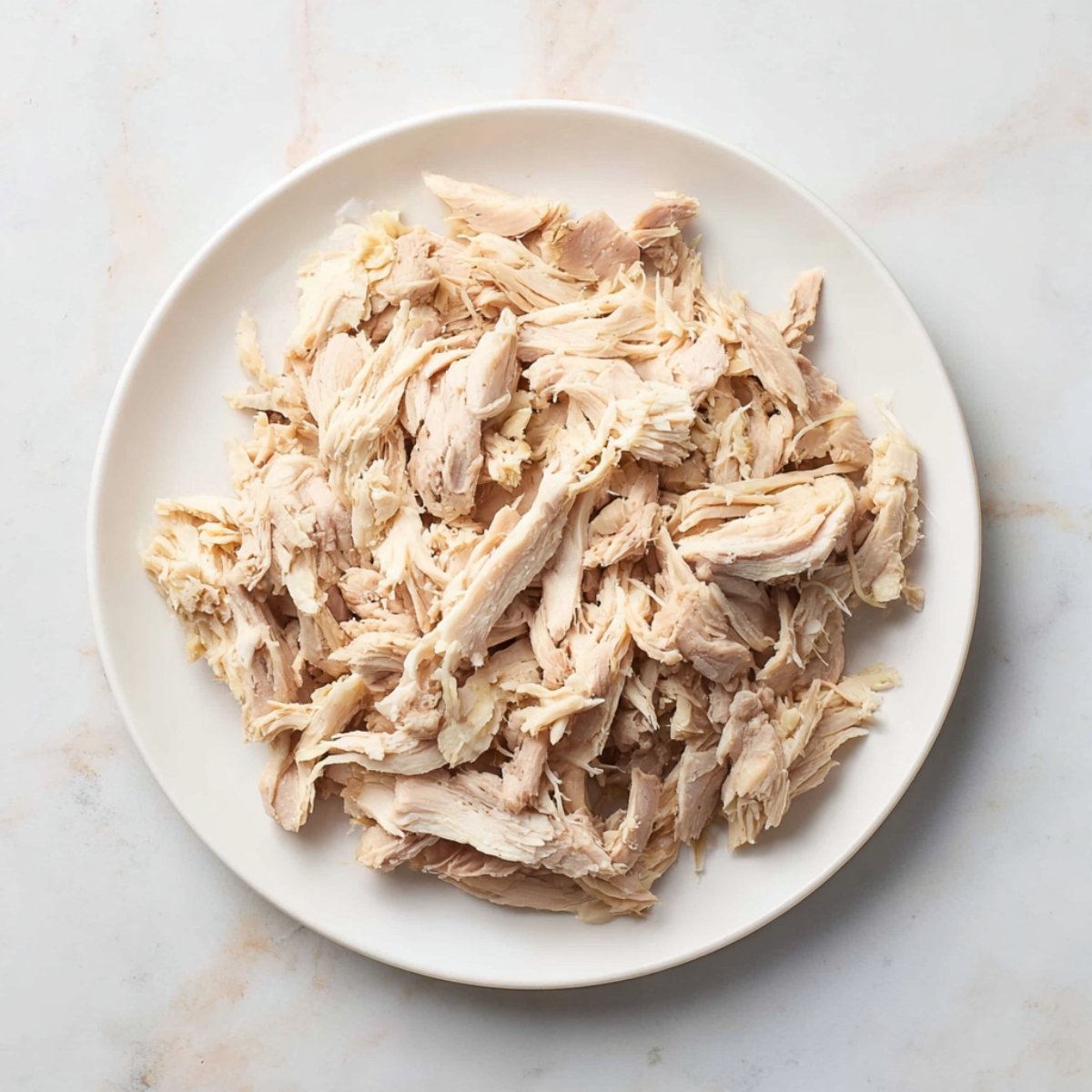
- Shred chicken: Remove the cooked chicken from the pot using tongs or a slotted spoon. Place it on a cutting board and use two forks to shred it into bite-sized pieces. Return the shredded chicken to the soup and reduce the heat to low.
- Prepare egg-lemon mixture: In a medium bowl, whisk the eggs until they're smooth and slightly frothy. Slowly whisk in the fresh lemon juice until everything is well combined.
- Temper eggs: This is the most important step. Gradually whisk 1 to 2 cups of the hot soup broth into the egg-lemon mixture, one ladle at a time. Whisk constantly as you add the hot broth.
- Incorporate into soup: Once the egg mixture is warm, slowly pour it into the pot, stirring constantly. Cook gently over low heat for 2 to 3 minutes, stirring continuously, until the soup is slightly thickened and silky.
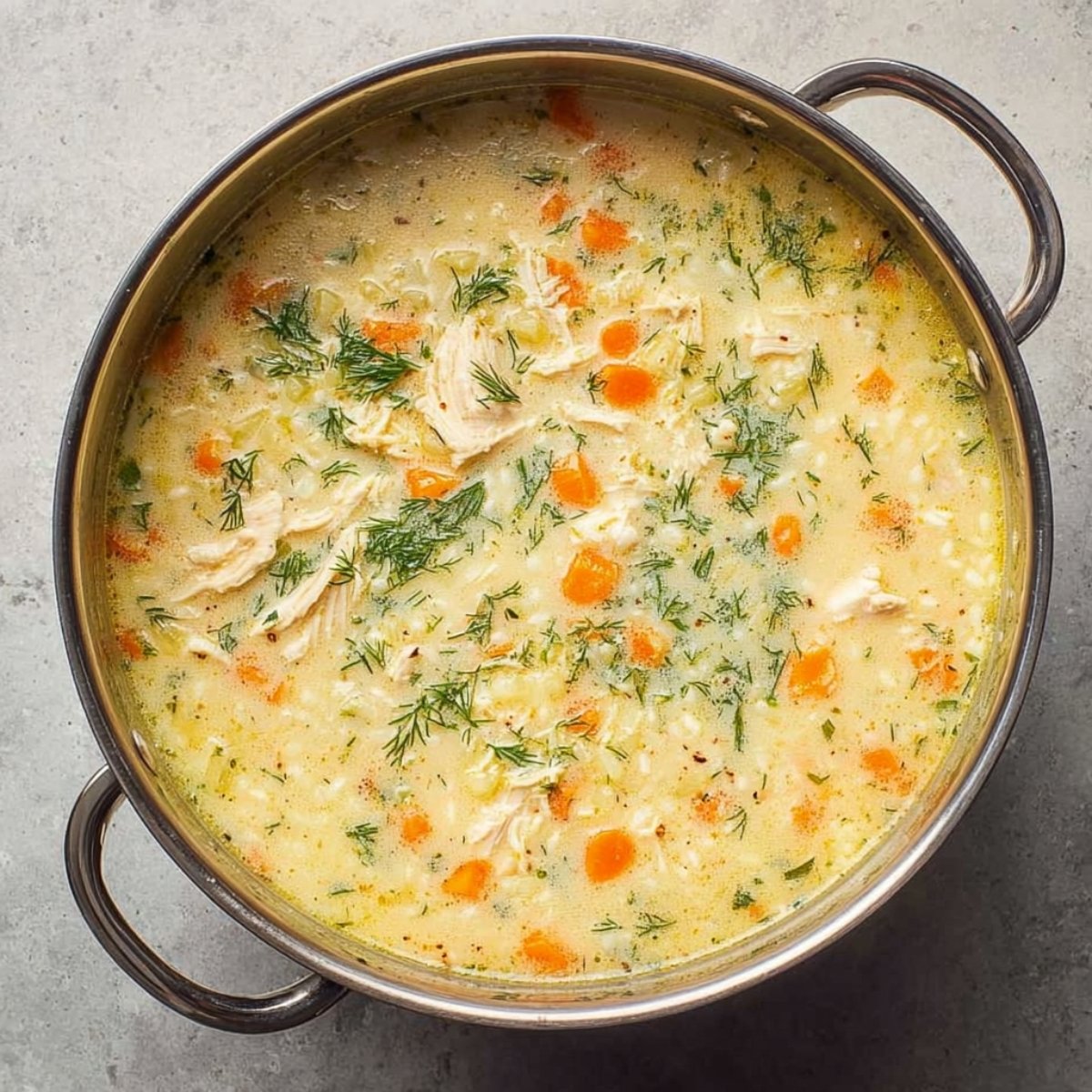
- Finish soup: Stir in the chopped fresh dill. Taste and adjust the seasoning with more salt or lemon juice if needed. Serve the soup warm, garnished with extra fresh dill and a wedge of lemon on the side. Pair with crusty bread or warm pita.
Substitutions and Variations
Use orzo instead of rice: Orzo creates a creamier, smoother texture and is more traditional in Greek avgolemono soup.
Add more vegetables: Stir in spinach, kale, or peas for extra greens.
Use rotisserie chicken: Skip cooking the chicken and use shredded rotisserie chicken instead. Add it at the end with the dill.
Make it vegetarian: Use vegetable broth instead of chicken broth and skip the chicken. Add chickpeas or white beans for protein.
Add more lemon: If you love lemon, add an extra tablespoon of lemon juice or serve with lemon wedges for squeezing over the soup.
Try different herbs: Substitute fresh parsley or mint for the dill for a different flavor profile.
Equipment
Large pot or Dutch oven: For making the soup. A heavy-bottomed pot distributes heat evenly and prevents burning.
Knife and cutting board: For chopping the vegetables and shredding the chicken.
Whisk: Essential for whisking the eggs and tempering the egg-lemon mixture.
Two forks: For shredding the cooked chicken into bite-sized pieces.
Ladle: For gradually adding hot broth to the egg mixture.
Measuring cups and spoons: For accurate measurements.
Storage and Reheating Tips
Refrigerator: Store leftover soup in an airtight container in the fridge for up to 4 days.
Freezer: This soup doesn't freeze well because the egg-lemon mixture can separate when thawed.
Reheating: Reheat gently on the stovetop over low heat, stirring constantly. Do not boil or the broth may separate. You can also reheat individual portions in the microwave on medium power, stirring every 30 seconds.
Make ahead: You can make the base soup (through step 3) up to 2 days ahead. Store in the fridge, then reheat and add the egg-lemon mixture just before serving.
Serving Suggestions
With crusty bread: Serve with warm, crusty bread or garlic bread for dipping into the broth.
Pita: Warm pita bread is traditional and perfect for scooping up the soup.
With a Greek salad: Pair with a crisp Greek salad with tomatoes, cucumbers, olives, and feta cheese.
Lemon wedges: Serve with extra lemon wedges on the side for those who want more citrus brightness.
Expert Tips
Use fresh lemon juice. Bottled lemon juice tastes flat and won't give you the bright, vibrant flavor this soup needs. Always use fresh lemons.
Temper the eggs slowly. This is crucial. Add the hot broth to the eggs gradually, whisking constantly. If you add it too quickly, the eggs will scramble.
Keep the heat low. Once you add the egg-lemon mixture, keep the heat low and do not let the soup boil. Boiling will cause the eggs to curdle and the broth to separate.
Chop vegetables evenly. Uniform pieces ensure everything cooks at the same rate and the soup looks polished.
Use chicken thighs for richer flavor. Chicken thighs have more fat and flavor than chicken breasts, which creates a richer, more flavorful broth.
Stir constantly when adding the egg mixture. This helps distribute the eggs evenly and prevents them from curdling in one spot.
FAQ
The Greek lemon chicken soup is called avgolemono, which translates to "egg-lemon" in Greek. The name refers to the signature egg and lemon mixture that gives the soup its silky, creamy texture and bright, tangy flavor. Avgolemono is a classic Greek dish that's been made for generations and is beloved for its comforting yet refreshing qualities.
Yes, Greek lemon chicken soup is healthy. It's packed with lean protein from the chicken, vitamins and minerals from the vegetables, and the bright lemon juice adds vitamin C. The soup is naturally low in calories and fat, especially if you use chicken breasts instead of thighs. The egg-lemon mixture adds richness without heavy cream, making it a lighter, more nutritious option than cream-based soups.
Avgolemono is a Greek word that literally means "egg-lemon." "Avgo" means egg and "lemono" means lemon. The name refers to the egg and lemon mixture that's whisked together and tempered with hot broth to create the signature silky, tangy sauce or soup base. Avgolemono is used in Greek cooking both as a soup and as a sauce for vegetables, meats, and fish.
In avgolemono, eggs are mixed with fresh lemon juice, then tempered with hot chicken or vegetable broth. The eggs are whisked until smooth, then the lemon juice is added. Hot broth is gradually whisked into the egg-lemon mixture to bring the temperature up slowly without scrambling the eggs. This tempered mixture is then stirred back into the soup, creating a silky, creamy texture that's rich without using any cream or dairy.
Related
Looking for other recipes like this? Try these:




Pairing
These are my favorite dishes to serve with Greek Lemon Chicken Soup




Greek Lemon Chicken Soup
Ingredients
Equipment
Method
- Heat olive oil in a large pot or Dutch oven over medium heat. Add onion, carrots, and celery; cook 5–7 minutes until softened. Add garlic and cook 1 minute until fragrant.
- Pour in chicken broth and bring to a gentle boil. Add chicken, rice or orzo, and salt. Reduce heat to a simmer and cook 18–20 minutes until chicken is cooked and rice is tender.
- Remove chicken and shred into bite-sized pieces, then return to the soup. Reduce heat to low. prep
- In a medium bowl, whisk eggs until smooth, then slowly whisk in lemon juice.
- Temper the egg-lemon mixture by gradually whisking in 1–2 cups of hot soup broth.
- Slowly pour tempered egg mixture back into soup, stirring constantly. Cook gently 2–3 minutes until slightly thickened, careful not to boil.
- Stir in fresh dill, taste, and adjust seasoning as needed. Serve warm with additional lemon and herbs on top.
- Serve with crusty bread or pita to soak up the flavorful broth.


Leave a Reply